Parshat Shemot: What We Choose to Raise
Parshat Shemot begins not with miracles or commandments, but with care. Before Moses ever speaks to Pharaoh or encounters God in a burning bush, he survives because a small web of people choose him.
Parshat Shemot begins not with miracles or commandments, but with care. Before Moses ever speaks to Pharaoh or encounters God in a burning bush, he survives because a small web of people choose him. His mother Yocheved gives birth in defiance. His sister Miriam watches with courage. Pharaoh’s daughter reaches into the river and draws out a child she knows does not belong to her and brings him home. The Torah tells us, simply, that when he grew, “he became her son.”
The medieval commentator Ibn Ezra pauses on this moment and offers a powerful reframing: "because she raised him, he was called her son." Not because she gave birth to him. Not because he shared her lineage or her fate. But because she took responsibility for his becoming. In this reading, belonging is something we build through repeated acts of care. Our identity is shaped not only by where we come from, but by who is willing to claim us — and whom we are willing to claim in return.
Moses grows up inside a profound tension: a Hebrew child raised in Pharaoh’s palace, nurtured by someone embedded in the very system he will one day confront. Perhaps this is what prepares him for leadership. He learns power from the inside and vulnerability from below. He becomes someone able to stand between worlds, to speak across difference, to imagine liberation without having been raised entirely outside the structures that resist it. His capacity to lead emerges not despite this complexity, but because of it.
Parshat Shemot invites us to see ourselves not only as individuals, but as a community constantly engaged in the act of raising. We raise people up, even when they are not formally “ours.” We raise values through attention and commitment. Like Pharaoh’s daughter, we do not always know what the things we nurture will become, or how they may challenge us. But the Torah suggests that redemption begins here: in the courage to care, to claim responsibility, and to help something fragile grow strong enough to change the world.
Reflection Questions
Who or what has helped “raise” you—people, communities, or experiences that shaped who you are without formal obligation?
What is this community helping to raise right now? What kinds of care does that require from us?
Welcome to Torah in Harlem! As we move through each week, we’ll explore the stories and insights of the weekly Torah portion—the ancient text at the heart of Jewish life—and let them inspire conversation in our community. Our hope is to cultivate a gathering place where learning belongs, reflection brings joy, and we can all grow together.
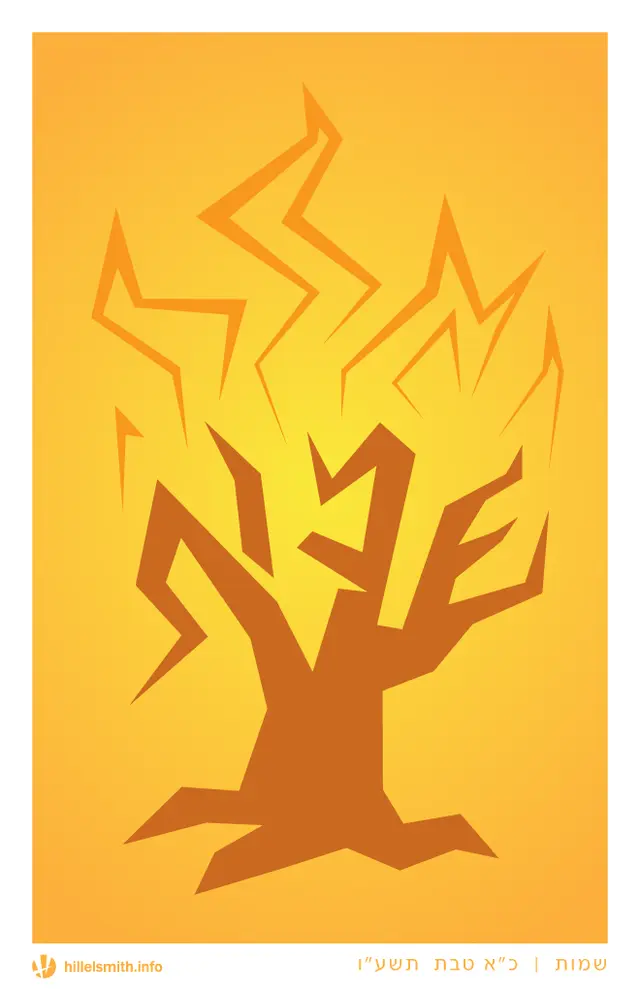
Artwork by Hillel Smith.

