
Our Story
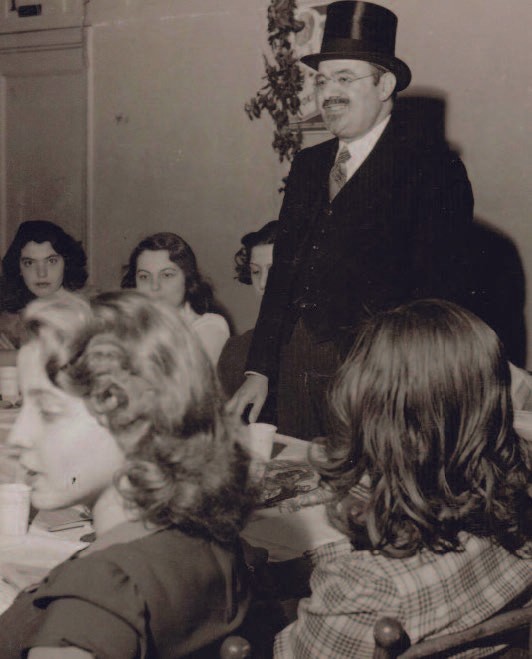
For a brief moment in time, Harlem’s Jewish community laid claim to being the third-largest in the world (after Warsaw and the Lower East Side), before facing significant demographic shifts throughout the early twentieth century. At its peak in 1917, a community of 175,000 was concentrated primarily in East and then Central Harlem.
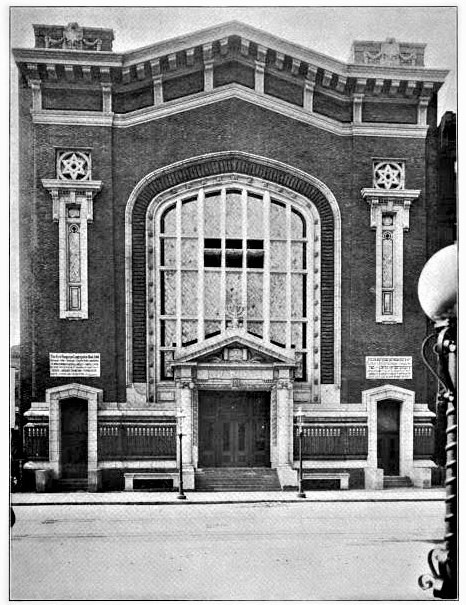
A century ago, the neighborhood pulsed with innovation: the first “shul with a school and a pool” rose here, a bold experiment that would become the model for the JCC. American-born rabbis preached in English, shaping a Judaism at home in its new land.
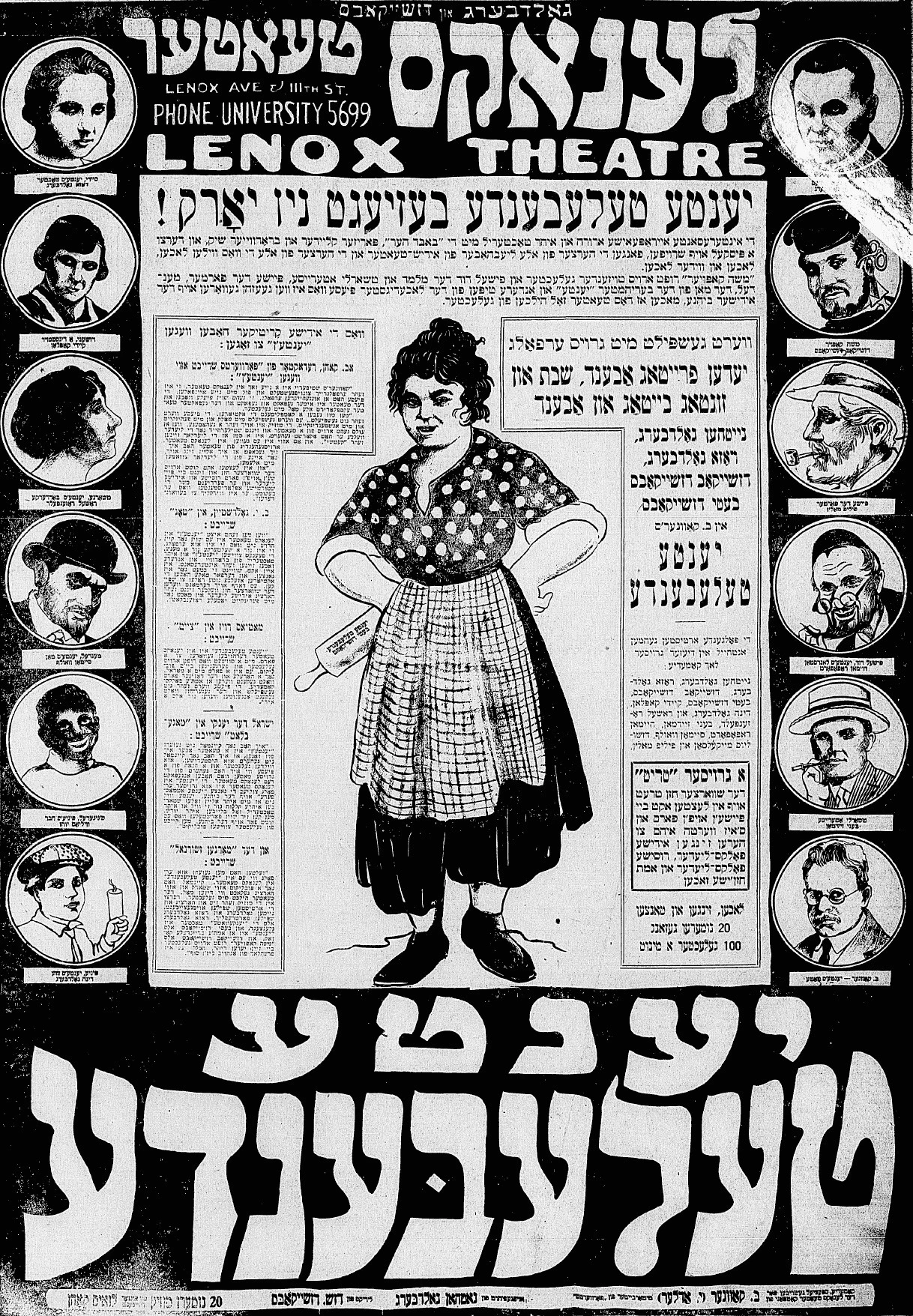
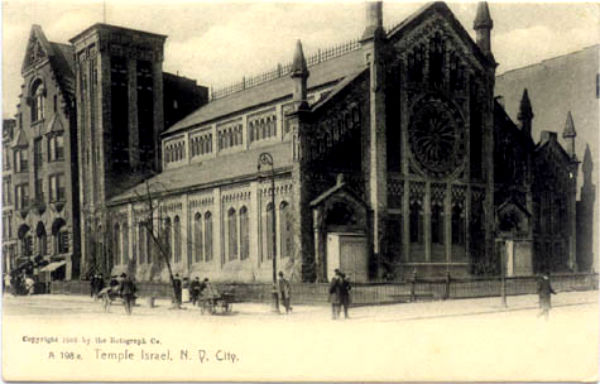
Grand congregations filled Harlem’s avenues—Ansche Chesed, Ohav Zedek, Shaare Zedek, Temple Israel—while the streets echoed with the brilliance of Jewish artists, thinkers, and performers: Houdini and Shalom Aleichem, the Marx Brothers and Sophie Tucker, the Gershwins, Arthur Miller, and so many more.
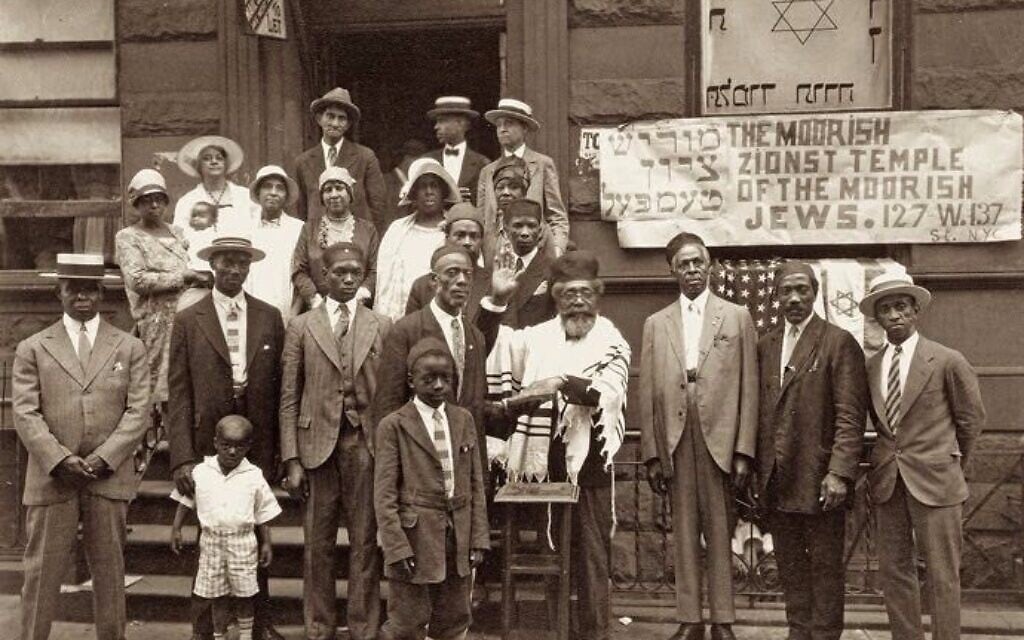
Here, America’s first Black Jewish congregation gathered across from Marcus Garvey Park. Here, the city’s largest Jewish orphanage stood, sheltering thousands of children just steps from our own home in Hamilton Heights.
Harlem in 1917 was not just a community—it was a beacon, sending forth the models and voices that would define American Jewish life for generations.
Just a few decades later, the hundreds of synagogues, multitudes of Jewish educational and cultural institutions, Yiddish heard wafting through the streets, and most other palpable signs of Jewish presence were muted from a once-mighty roar to a near-whisper. Yet today, over a century later, Jewish life in Harlem is experiencing a resurgence that no demographer, parishioner, or casual observer could have easily predicted.
The era of Harlem as a laboratory for innovation and experimentation in Jewish life has returned.
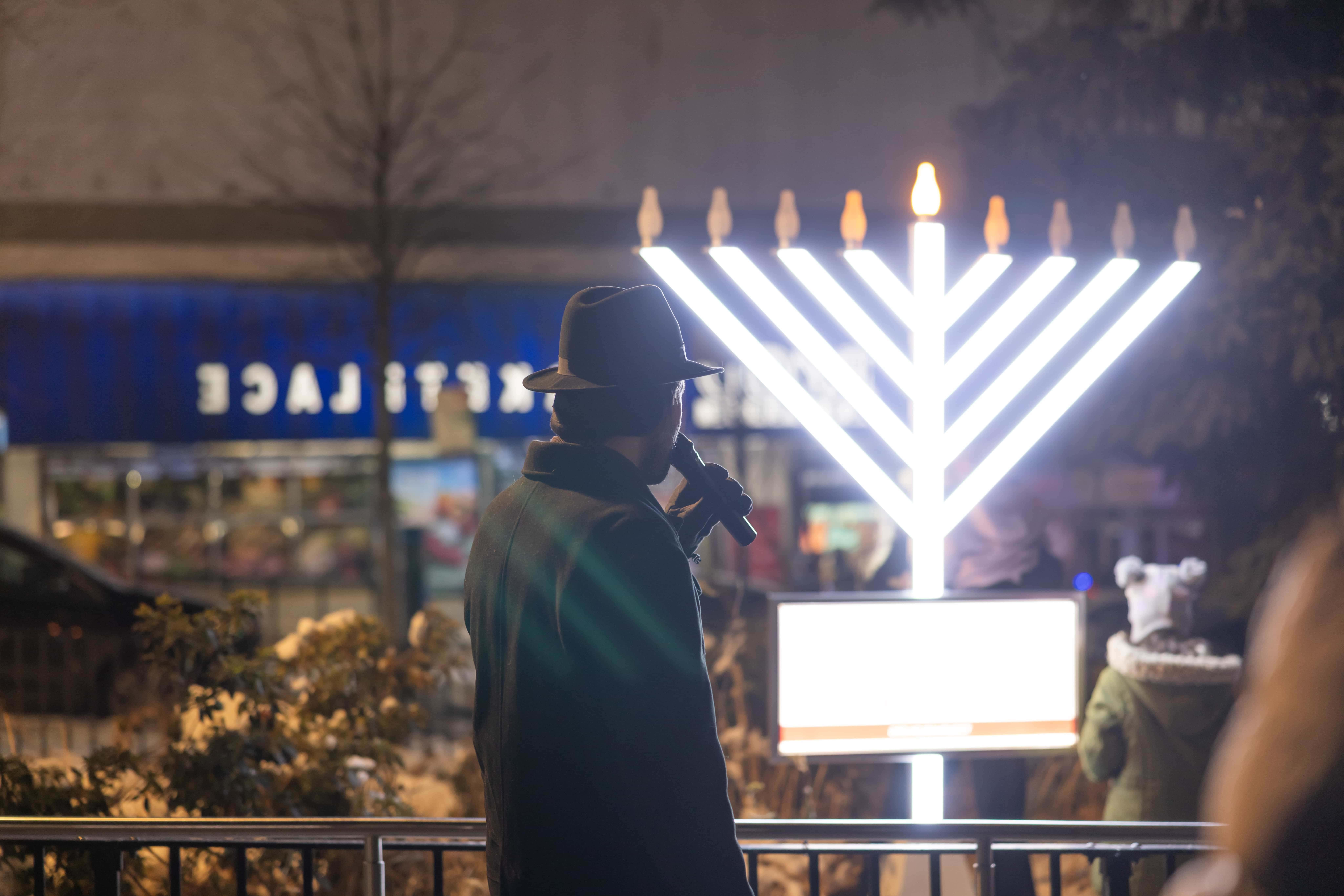
Today, an estimated 24,000 Jews live in Harlem, across 12,000 households. A recent study paints the picture of a community that is younger, less financially secure, and more Jewishly eager than in other parts of New York. And moreover, it depicts a Jewish population experiencing steady, meteoric growth.
In 2016, Dimitry Ekshtut and Erica Frankel—already longtime Harlem residents—saw this coming.
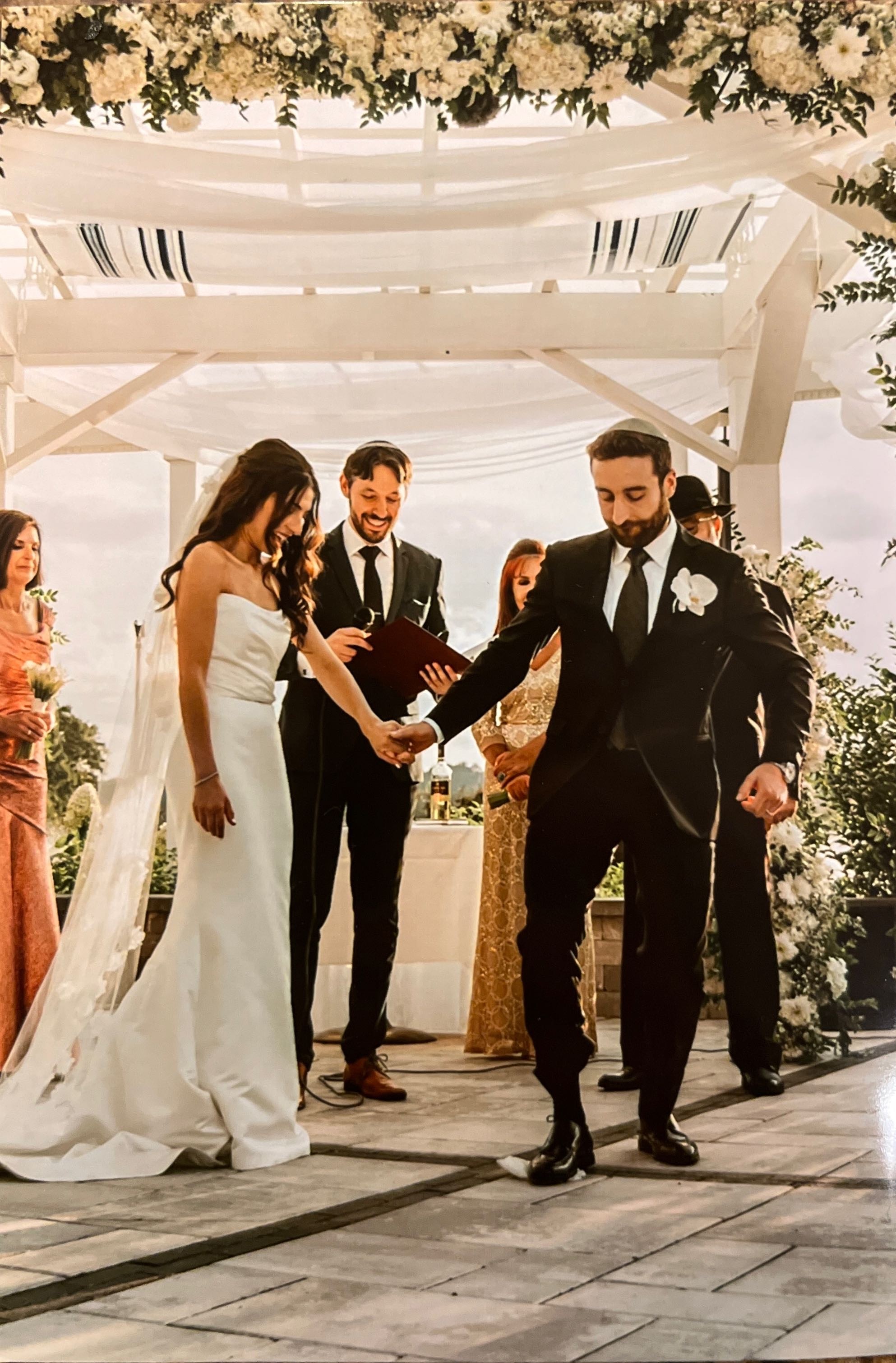
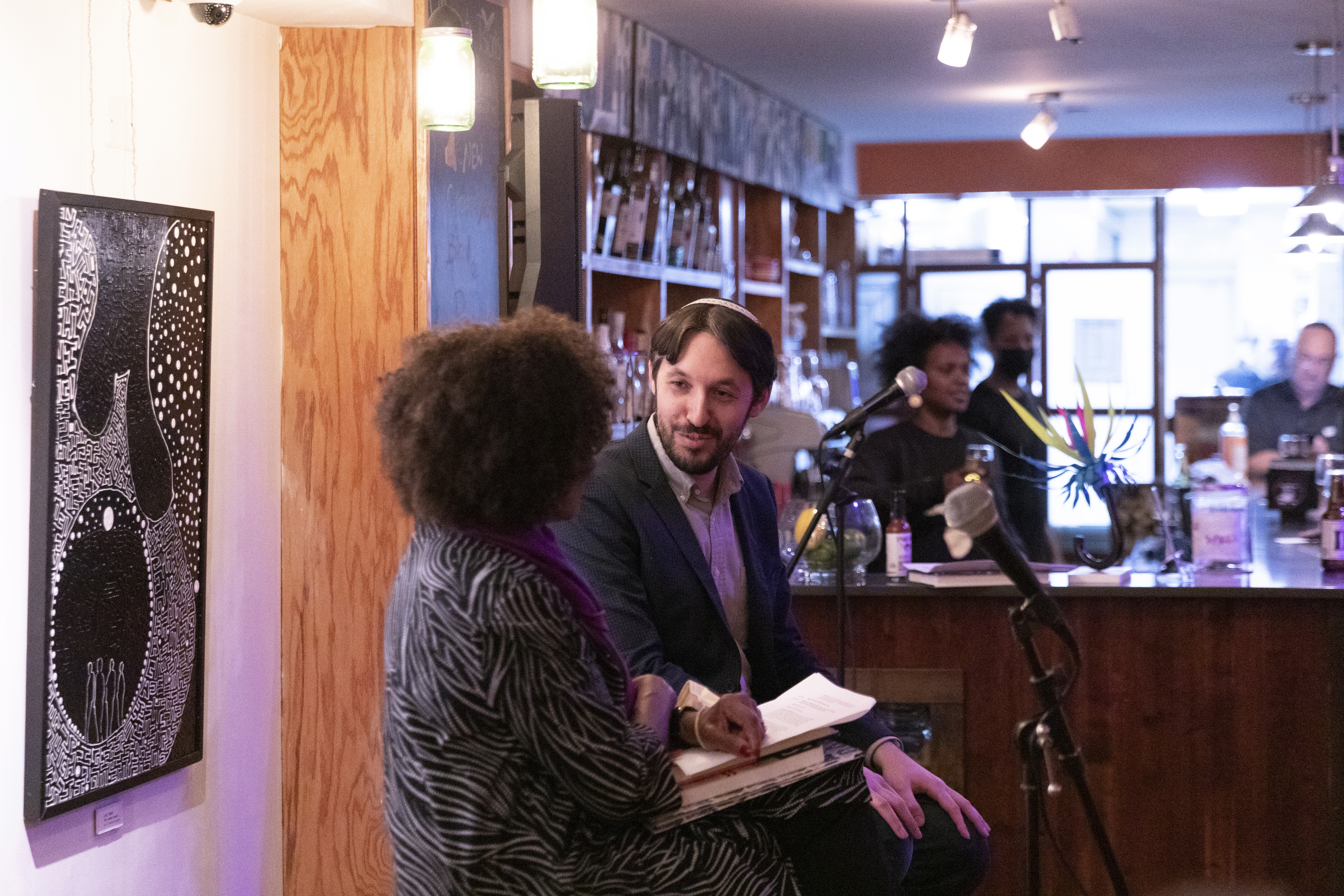
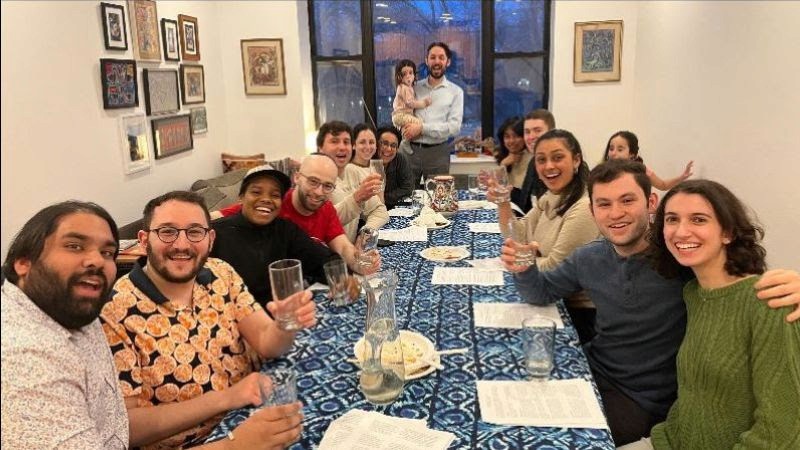
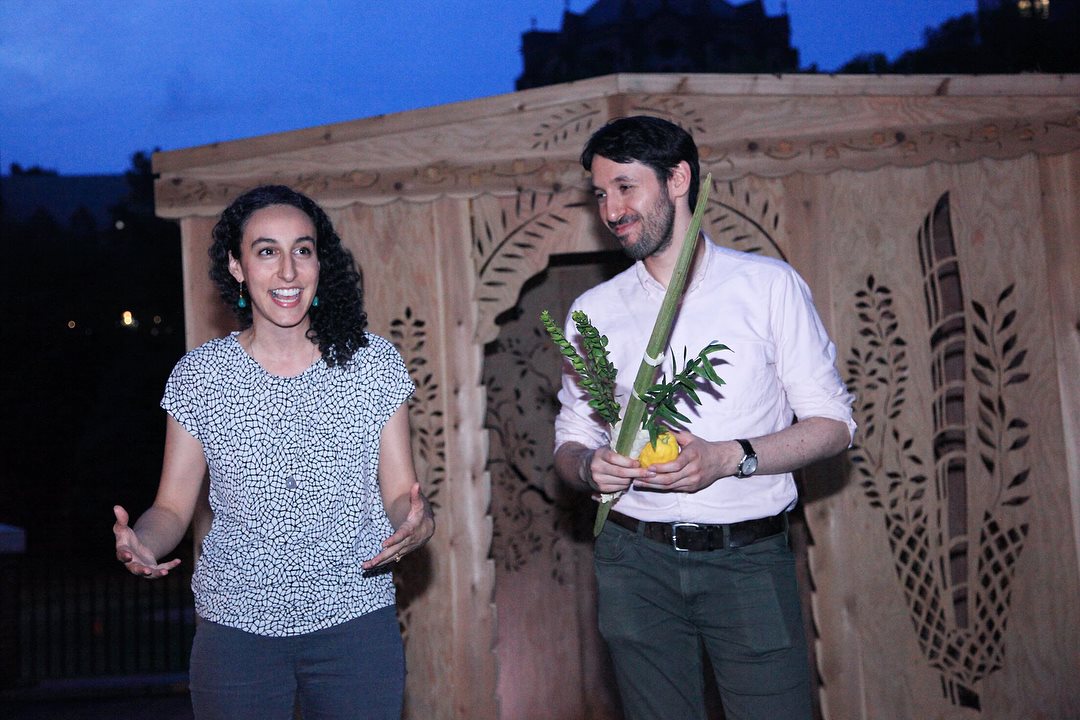
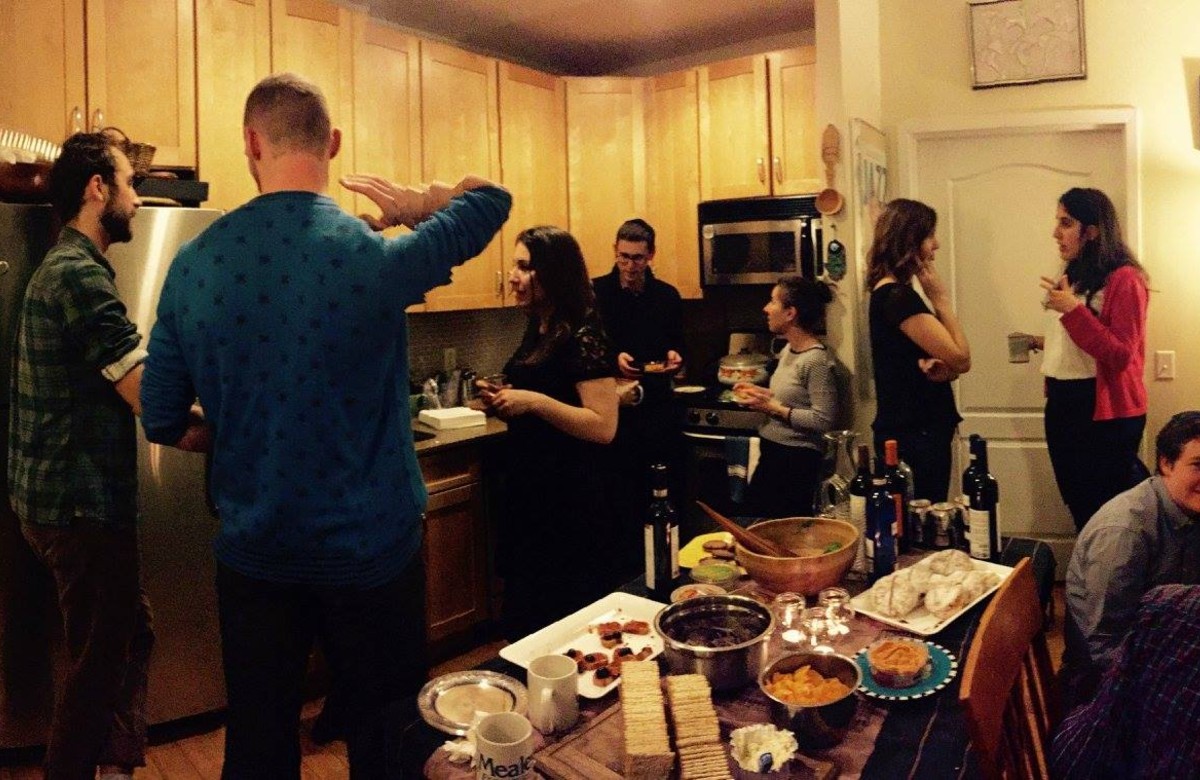
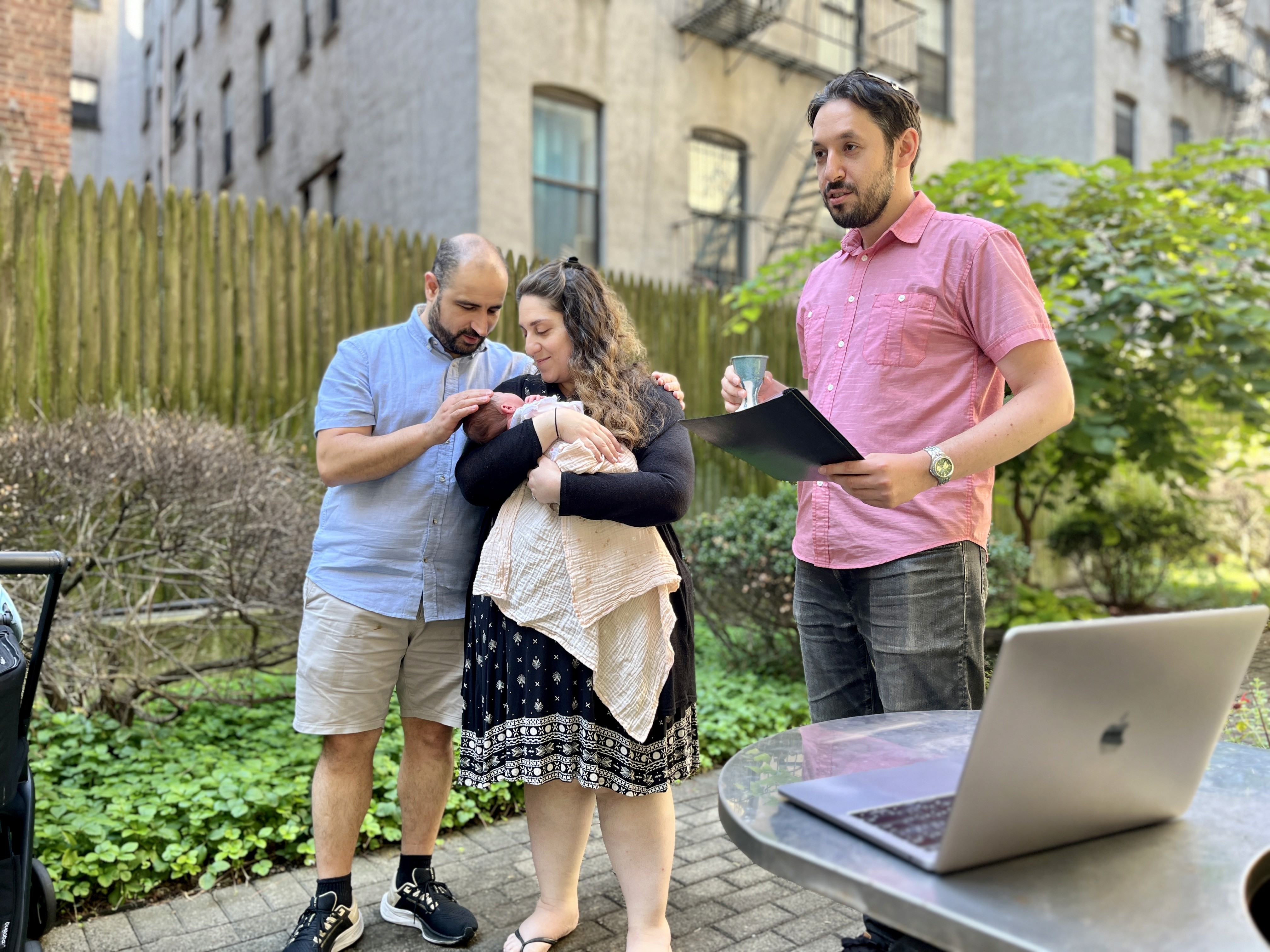
We committed ourselves as volunteers to ensure we could both catch and channel the precipitous wave of Jewish interest washing over Harlem. We began organizing fellow young adults in our home and around our own Shabbat table. We supported the extension of the Manhattan Eruv up to 145th Street to create vital infrastructure. We founded a congregation and then started a community for 20s + 30s called Based in Harlem. We supported other grassroots organizers in the neighborhood who were inspired by us to build Jewish experiments in their own homes, storefronts, and public spaces. We officiated lifecycle moments for neighbors—like weddings, baby namings, conversions, and funerals—and provided regular pastoral care for people facing all the human stuff of life. We started getting calls from organizers in St. Louis, Detroit, Los Angeles, and beyond who sought our advice as they, too, tried to responsibly build Jewish life in multicultural and historically Black neighborhoods.
We knew then that we were building an innovative approach to what we call a “new Jewish urbanism” — a way of cultivating Jewish life that is deeply rooted in its local neighborhood, open to multicultural exchange, and willing to experiment boldly at the intersections of tradition and modern city living.
In late 2024, we created Tzibur to be a container for these many projects and efforts.
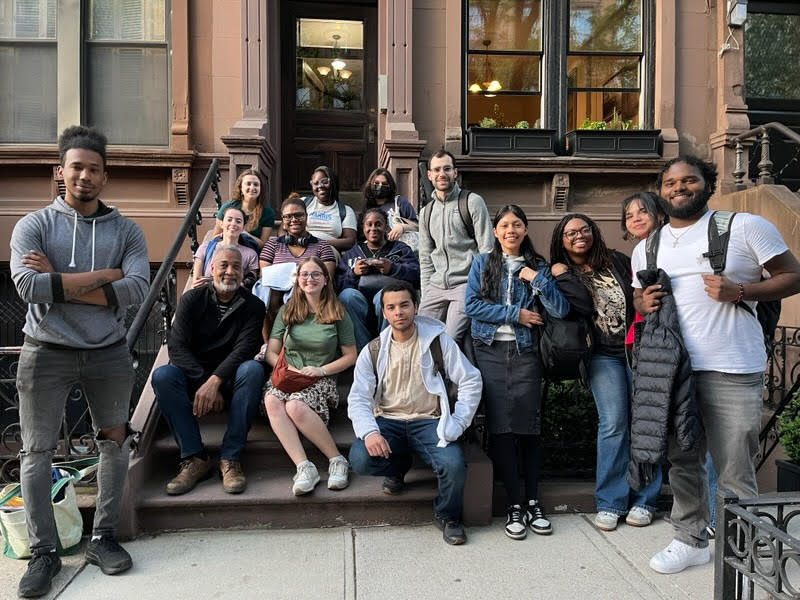
We’ve sinced launched new initiatives, like the Harlem Bridge-Building Service Corps in partnership with Repair the World, whose members have rolled up their sleeves to complete over 1,400 hours of volunteer service across our neighborhood and engage in cross-cultural dialogue led by our team. We’ve grown Shalom Harlem to build community among families with young children like ours. We’ve built cohort-based learning experiences for mixed-heritage couples, started an LGBTQ advisory committee and other ways for community members to lead, and seeded innumerable partnerships — and we’re only growing.
We remain convinced that Harlem—as it always has—can serve as a model for the next century of American Jewish life, and we’re building that vision with love and with a lot of grit. Join us and help shape New York’s fastest-growing Jewish community.