Parshat Vayikra: The Call
Vayikra reminds us that a meaningful life begins when we learn to listen for the places where love and responsibility meet.
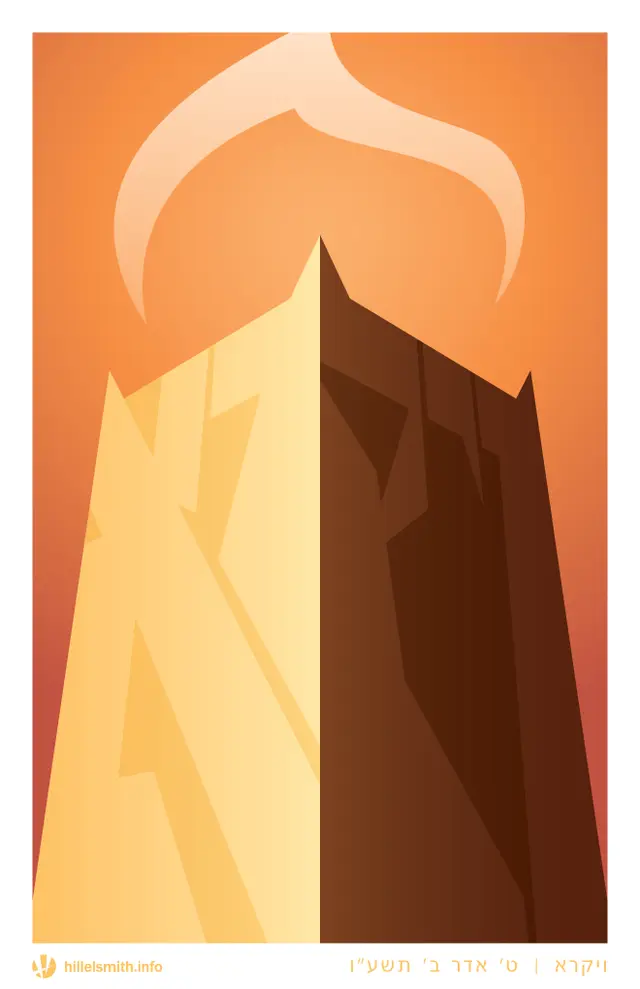
This week’s parsha is Vayikra, which begins with a deceptively simple line: “The LORD called to Moses and spoke to him from the Tent of Meeting, saying…” (Leviticus 1:1).
The opening word, Vayikra (“And He called”) invites us into something unique between God and Moses. Before instructions are given, before laws are delivered, and before we learn about the myriad of sacrifices that are enumerated throughout this book of the Torah, there is a call. The book of Leviticus does not begin with a mere command. It begins with a relationship.
We often imagine “calling” in dramatic religious terms: a bolt from heaven, a voice in the night, a soul seized by unmistakable certainty. Years ago, Dimitry and I were at an interfaith dinner at Riverside Church, seated with one of the twelve most senior leaders in the LDS Church. He spoke about being “called” into his role, and Dimitry, wide-eyed, asked what it felt like to receive such a call — perhaps expecting a story about God’s voice breaking through. The man paused and smiled: it had been an actual phone call, from church leadership, telling him this was now his job.
The moment was funny, but it was also clarifying. A calling does not always arrive with thunder and trumpets. Sometimes it comes through ordinary channels. Sometimes it reaches us through the phone ringing, a need becoming visible, or a responsibility landing in our lap.
Rabbi Jonathan Sacks teaches in the name of Rashi that vayikra means to be "called to a task in love": not merely choosing what is useful or prestigious, but sensing that something in the world is asking itself of you. A wrong that needs righting. A wound that needs tending. A person who needs gathering in.
That kind of calling is less like being zapped and more like being claimed. It asks not only what we want to do, but what we are willing to offer. And that may be why the language of calling opens this book of the Torah all about sacrifices. To live a calling is to make sacrifices—not as punishment, but as a form of devotion. We give up ease, anonymity, or perfect freedom for the sake of something that matters.
That is the spiritual question of Vayikra: not only “What is God saying?” but “What is calling to me now?” In a noisy world, the call may not sound like prophecy. It may sound like the quiet knowledge that this child, this friendship, this community, this grief, this injustice, this work…is somehow yours to answer.
We may never receive absolute certainty. But Vayikra reminds us that a meaningful life begins when we learn to listen for the places where love and responsibility meet, and where, however imperfectly, we are summoned to say: hineini, here I am.
—
Welcome to Torah in Harlem! As we move through each week, we’ll explore the stories and insights of the weekly Torah portion—the ancient text at the heart of Jewish life—and let them inspire conversation in our community. Our hope is to cultivate a gathering place where learning belongs, reflection brings joy, and we can all grow together. Want to hop into the conversation? Join our Torah in Harlem Whatsapp Group.
Artwork by Hillel Smith.

