Parshat Tzav: Remaining Breakable
In describing the chatat, the sin offering, the Torah points to what at first seems like a banal distinction: if the meat of the offering is cooked in an earthenware vessel, that vessel must be shattered afterward.
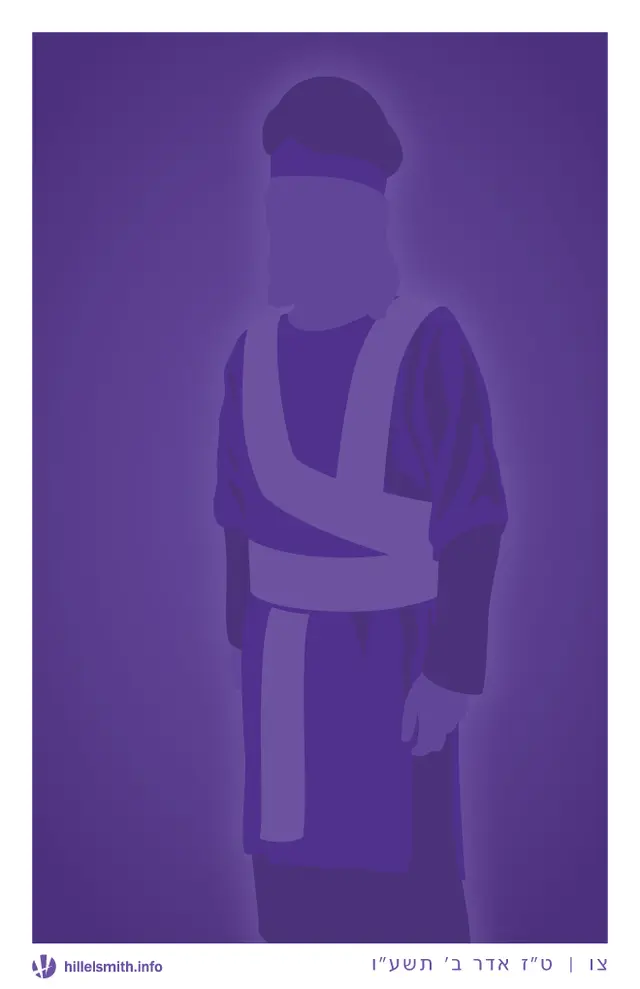
Parshat Tzav enumerates in great detail the various offerings brought on the altar in the Temple, and also tells the story of the installation of Aaron and his descendants as priests. In describing the chatat, the sin offering, the Torah points to what at first seems like a banal distinction: if the meat of the offering is cooked in an earthenware vessel, that vessel must be shattered afterward; if it is cooked in a copper vessel, it can be scoured and rinsed with water. This mirrors modern-day kashrut practices in our kitchens: earthenware, which is absorptive, cannot be made kosher after encountering something treif, whereas other materials, like metal, can be kashered through boiling water.
The Kli Yakar — Rabbi Shlomo Ephraim of Luntschitz, a sixteenth-century Polish rabbi and Torah commentator who later served as rabbi of Prague — shifts this from a discussion about cookware to one about the person bringing the offering. Some people, he suggests, absorb wrongdoing so deeply that a simple rinsing will not do; what is needed is a kind of inner breaking. Others have not absorbed it so fully, and for them a lighter cleansing is enough. The Kli Yakar takes us away from the vessels of the Temple and toward the vessels of our inner life. He asks us to imagine that what most needs kashering is not the pot, but the heart.
Sometimes the only remedy for doing the wrong thing is our own brokenheartedness — our recognition not only intellectually but emotionally that we have missed the mark, that we are far from where we would like to be. In our modern parlance, “sin” often connotes something grave and weighty. But let’s imagine, for a moment, that we are talking about all the ordinary ways we miss the mark. Our tradition assumes that human beings are fallible, that we are constantly getting things wrong, constantly in need of return.
And yet, if we take the Kli Yakar too literally, it is as if he is prescribing a near-perpetual state of brokenness. I want to say something a little gentler than that. Not that our hearts should remain broken, but that they should remain breakable. Soft enough to feel when we have caused harm. Open enough to be changed. Our hearts are always whole, but we should also imagine that they are always healing.
—
Welcome to Torah in Harlem! As we move through each week, we’ll explore the stories and insights of the weekly Torah portion—the ancient text at the heart of Jewish life—and let them inspire conversation in our community. Our hope is to cultivate a gathering place where learning belongs, reflection brings joy, and we can all grow together. Want to hop into the conversation? Join our Torah in Harlem Whatsapp Group.
Artwork by Hillel Smith.

