Leadership when it's hard
What are the virtues in each of us that serve us beautifully in many situations, but become our Achilles’ heel in others?
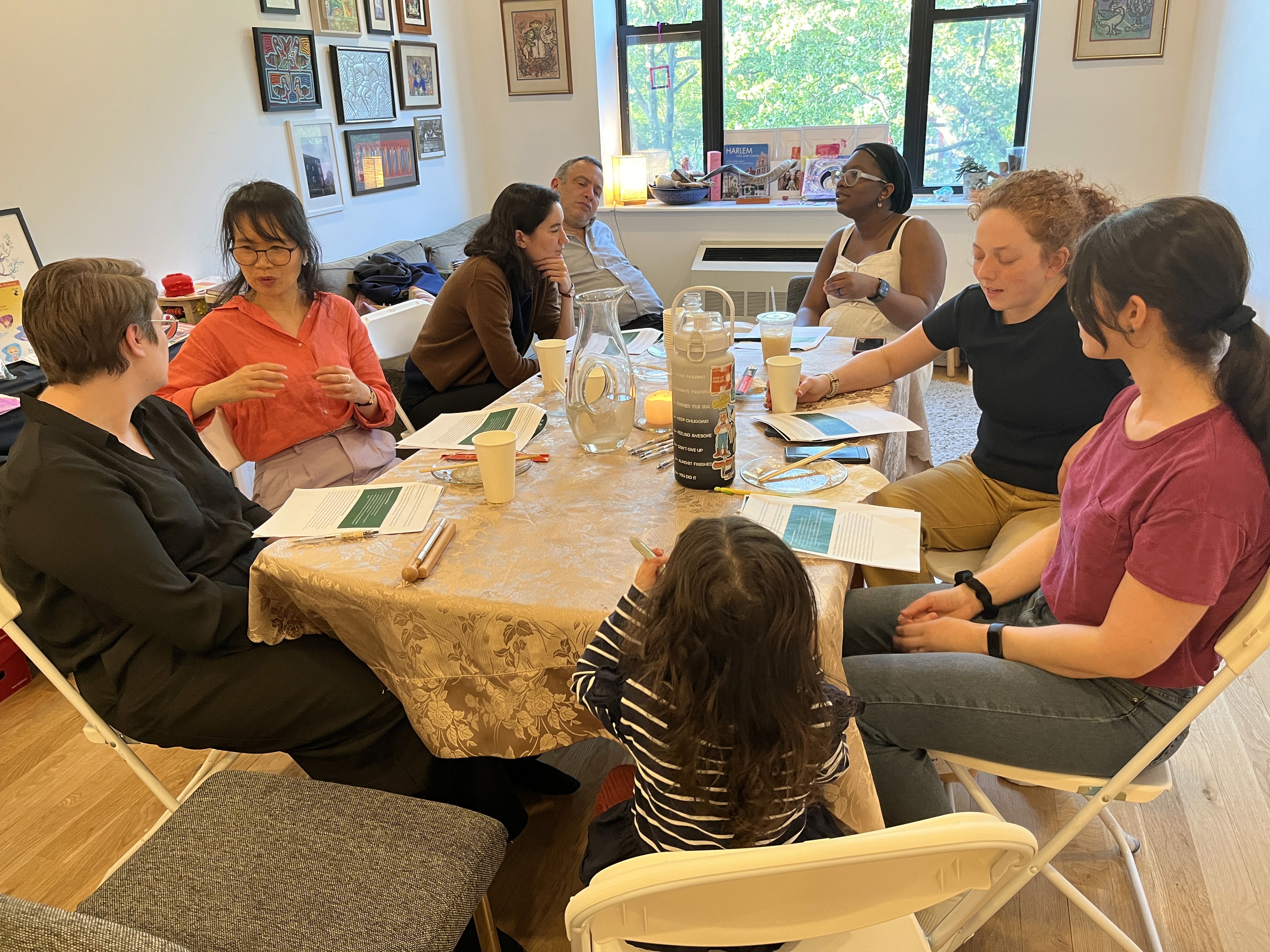
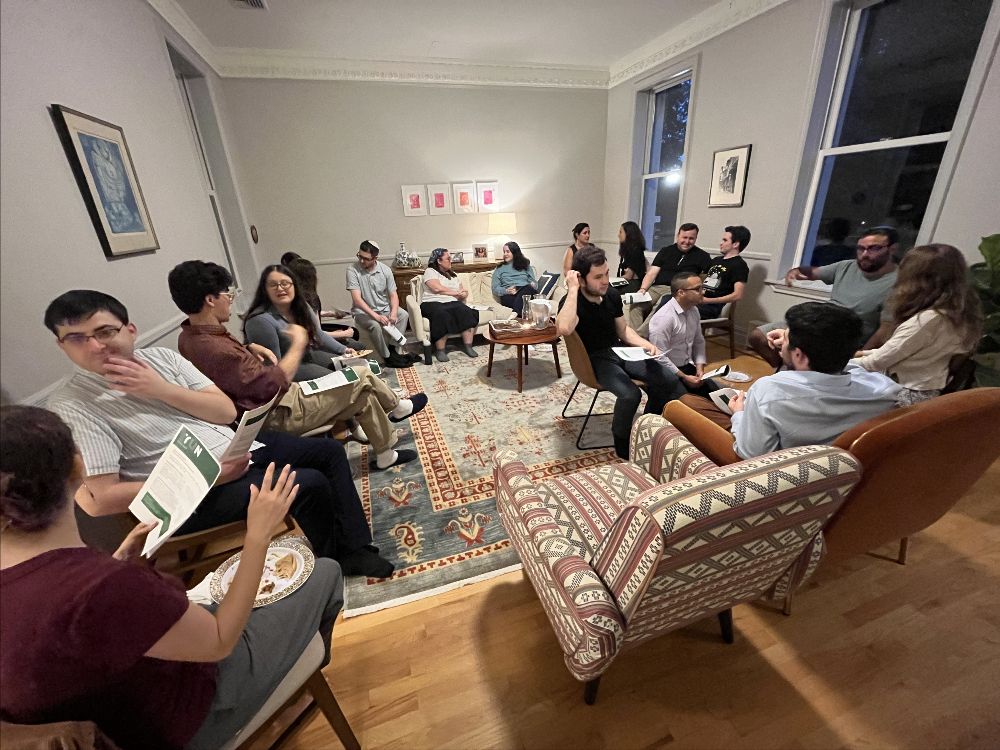
Last Thursday night, we gathered in our living room for the second session of our Omer Learning Circle, exploring the theme of "leadership when it's hard."
Together, we looked at one of the Torah’s most painful leadership stories: the building of the Golden Calf. To set the scene: Moses is up on the mountain receiving Torah, the people grow anxious and afraid in his absence (to put it mildly), and they turn to Aaron — Moses’ brother and the spiritual leader left behind — demanding that he make them a god they can see.
Aaron, rather than refusing them outright, seems to try to slow them down, manage the panic, buy time, and keep the peace. And yet, somehow, his attempt to hold the community together helps enable one of the great ruptures in the biblical story.
At one point early in the session, our daughter Dalia needed something from me in the other room. When I came back, the group had already moved on to the next source. I had prepared a whole transition, of course — carefully scripted, lovingly overthought, with every stepping stone laid out in advance. But the room had moved without me. For a moment, I felt a little lost at sea.
Then I started listening.
And once again, I had that feeling I get almost every time I study Torah in this community: that I walk out feeling 25 years wiser than when I walked in. Not because I hadn’t prepared. I had prepared deeply. I had thought through the texts, the questions, the possible answers, the arc of the conversation. But then people’s insights began rushing in — giving color, depth, texture, and surprise to a piece of Torah I have considered hundreds of times. The room helped me see something I had not quite seen before.
One of the insights that emerged was about Aaron’s gift as a peacemaker.
In rabbinic imagination, Aaron is often remembered as someone who loves peace and pursues peace — someone able to reconcile people, soften conflict, and bring others back into relationship with one another. That is a beautiful virtue. And yet, in the story of the Golden Calf, that very same gift seems to become his vulnerability. His peacemaking bends toward people-pleasing. His desire to calm the crowd becomes a strategy of appeasement. The quality that makes him a terrific leader in one setting becomes dangerous in another.
And that opened up a powerful conversation: What are the virtues in each of us that serve us beautifully in many situations, but become our Achilles’ heel in others? When does our generosity become overextension? When does our steadiness become avoidance? When does our vision become impatience? When does our care become control?
This is one of the gifts of learning in community. Not just that we encounter ancient texts, but that we encounter ourselves — refracted through other people’s wisdom and insights.
Alone, we can read a story. But when we're together, we can find and hold up a mirror.
And sometimes—if we are very, very lucky!—we come back from the other room and find that the Torah has already kept teaching without us.